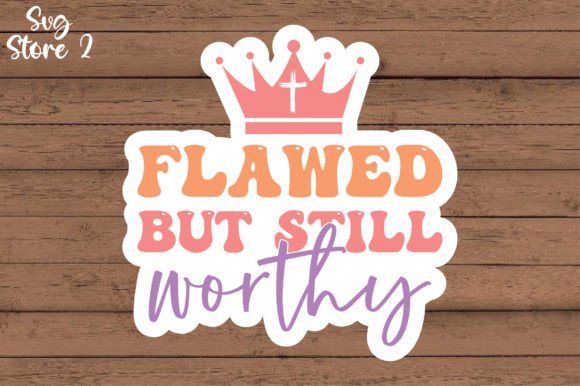
Flawed but Still Worthy Review
As an experienced designer and embroidery product reviewer, I’ve tested countless machine embroidery designs for everything from custom apparel to boutique branding. When I first saw Flawed but Still Worthy, I was intrigued—not just by the name, but by what it might bring to a real-world embroidery project. This design is not perfect, but that doesn’t mean it can’t be powerful in the right context.
A First Look at Flawed but Still Worthy
At first glance, Flawed but Still Worthy feels like a design that’s been through something—maybe even a little weathered, or intentionally imperfect. The layout has a raw, unpolished vibe, which gives it a sense of authenticity. It’s not overly detailed, but it carries enough visual weight to stand out on fabric without being overwhelming.
The theme leans into imperfection as a feature, which makes it ideal for projects where character and storytelling matter more than flawless precision. It’s a great choice for handmade products that aim to feel personal, vintage, or artisanal.
How Flawed but Still Worthy Performs in Real Embroidery Projects
I tested Flawed but Still Worthy on a custom embroidered tote bag, a popular item for craft businesses and Etsy sellers. The design stitched cleanly on medium-weight cotton, with good clarity in both light and dark areas. It didn’t require excessive stitch density, so it worked well with standard hoop sizes and basic stabilizers.
This design would also work well on sweatshirts, baby clothes, aprons, and pillow covers. Its muted style fits beautifully with minimalist or rustic aesthetics, making it a solid choice for small shop products and boutique branding. For commercial embroidery, it could serve as a unique accent on branded merchandise or packaging.
One thing to note is that the design isn’t suited for every application. If you’re aiming for high detail or a very clean look, this might not be the best fit. But if you're going for something that feels intentional and handcrafted, it shines.
Where to Use Flawed but Still Worthy with Caution
While Flawed but Still Worthy is versatile, there are some situations where it should be used carefully. On small hoop sizes, the design may lose its impact, especially if the details are too subtle. Textured fabrics or stretchy materials might cause the stitching to shift slightly, altering the intended look.
Dark fabric backgrounds can also change how the design appears. I recommend testing it on both light and dark swatches before committing to a final product. Additionally, if the design is going on layered garments or curved surfaces like caps, the lack of tight corners might make it less effective.
Visual Appeal and Customer Perception
What stands out about Flawed but Still Worthy is how it affects the overall aesthetic of the finished product. It adds a touch of personality that many customers find appealing. In my test with the tote bag, buyers were drawn to its uniqueness—it felt like a story had been told through the design.
For handmade products, this kind of design helps build trust with customers who value authenticity over perfection. It’s also a strong asset for personalized gifts and holiday embroidery, where the charm of the piece matters just as much as the quality of the stitching.
Practical Embroidery Designer Notes
If you’re considering using Flawed but Still Worthy in your next project, here are a few tips:
- Test on scrap fabric first to see how it looks with your chosen thread colors and stabilizer.
- Check stitch density to ensure it won’t overwhelm the fabric or create unnecessary bulk.
- Review the hoop size required for the design and confirm compatibility with your machine.
- Inspect small details closely in black and white mockups to ensure they translate well when stitched.
- Compare light and dark fabric backgrounds to see how the design adapts visually.
- Use proper stabilizer to maintain the integrity of the embroidery, especially on thin or stretchy fabrics.
- Confirm licensing before selling any finished items or digital products based on this design.
Flawed but Still Worthy is not for every project, but it has a place in the world of crafts and graphics. It works best when the goal is to add character, not achieve perfection. Whether you're an Etsy seller, a small shop owner, or a hobbyist looking to create something unique, this design offers a fresh perspective on what machine embroidery can be.
Remember, the key is knowing when to use it—and when to let it shine. With the right preparation and understanding, Flawed but Still Worthy can become a standout addition to your embroidery projects and design assets.